

When choosing replacement windows, most homeowners naturally focus on things like window style, energy efficiency, and glass options. But there is another design detail that can have a surprisingly big impact on how your windows look: window grids.
Some homeowners love the classic look of divided panes, while others prefer a clean, uninterrupted view. Neither option is necessarily better. The right choice depends on your home’s architecture, your personal style, and the look you want to create.
If you are replacing windows in your Jacksonville or Northeast Florida home, here are a few things to consider when deciding between window grids and a grid-free design.
What Are Window Grids?
Window grids are the decorative lines that divide a window pane into smaller sections. Depending on the window product, they may also be called grilles or muntins.
Traditionally, these divisions were necessary because large panes of glass were difficult to manufacture. Modern windows can now be made with large, uninterrupted panes, so grids are usually more of a design choice. Today, homeowners can often choose from different grid styles, patterns, and configurations.
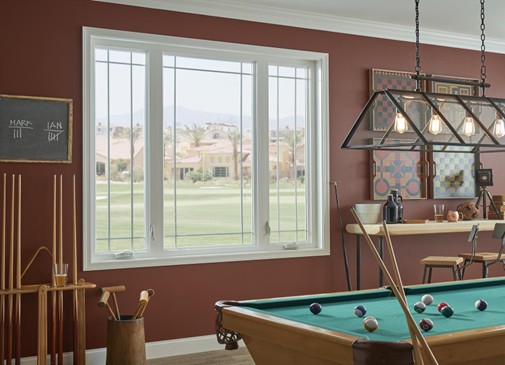
Why Choose Windows With Grids?
Grids can add character and architectural detail to a home. They are especially common on homes with traditional, Colonial, farmhouse, Craftsman, or cottage-inspired designs.
For homeowners who want their replacement windows to maintain the original look of an older home, grids can help preserve that traditional appearance. They can also add visual interest to a simple exterior by breaking up large areas of glass.
For some Jacksonville homes, especially those with more classic architectural details, grids can help new windows feel like a natural part of the existing design.
Why Choose Windows Without Grids?
Windows without grids create a cleaner and more modern look. Without lines dividing the glass, the view outside feels more open and uninterrupted. This can work particularly well in homes with contemporary or coastal-inspired designs. A grid-free window may also be a good choice if your home overlooks a backyard, pool, water view, or landscaped area that you want to enjoy without visual interruptions.
For many Florida homeowners, the ability to take advantage of natural light and outdoor views is an important part of the overall design.
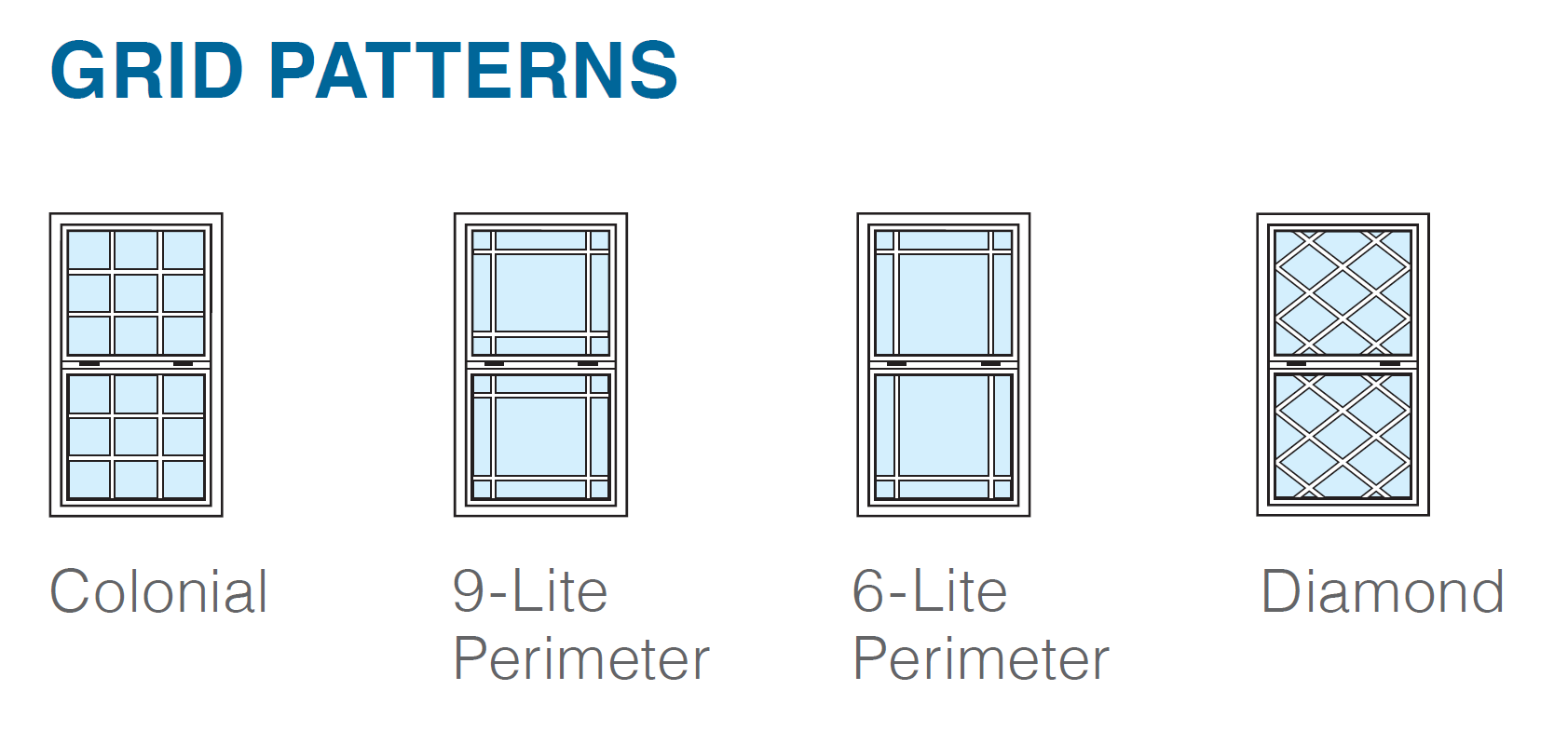
Consider Your Home’s Architectural Style
One of the easiest ways to narrow down your choice is to look at your home’s architecture. Traditional homes often pair naturally with grids, while modern homes tend to look better with simpler, grid-free windows. That does not mean you have to follow a strict rule. A homeowner may choose fewer grids to give a traditional home a slightly more updated appearance, or add subtle grids to a newer home for extra character. The goal is to choose a design that complements the rest of the house rather than competing with it.
Think About the View From Inside
Window design affects your interior just as much as your exterior. If you have a room with a beautiful outdoor view, a window without grids can help keep the sightline open.
On the other hand, grids can add architectural interest inside the home and may complement traditional furnishings or décor. Think about how each window looks from the rooms where you spend the most time. A large living room window may benefit from a clean, open view, while smaller windows in other parts of the home may look better with a decorative grid pattern.
HomeRite offers a variety of replacement window styles that can be customized to fit your home’s design.
View Replacement Window Styles at HomeRite’s Showroom in Jacksonville
Seeing different window designs in person can help you better understand how the grids affect the overall appearance of the glass and frame.
Visit the HomeRite Windows & Doors showroom in Jacksonville to compare window styles, grid options, and other design features. Our team can help you explore options that work with your home’s architecture, your view, and your personal style.
Recent Comments