

So why does condensation show up more often during Florida’s cooler months, and what does it really mean for your windows? As a local, family-owned company serving Northeast Florida for more than two decades, we want homeowners to understand what’s normal, what’s not, and how modern replacement windows can fix the problem for good.
Why Condensation Appears on Florida Windows in Winter
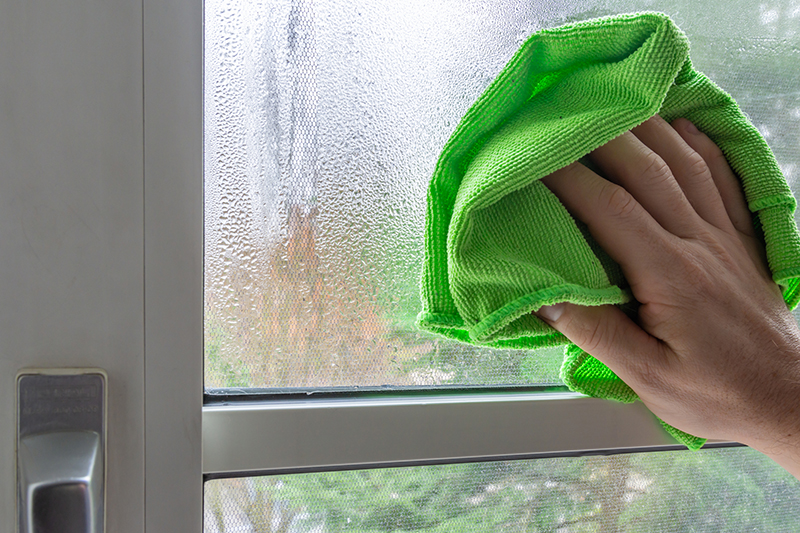
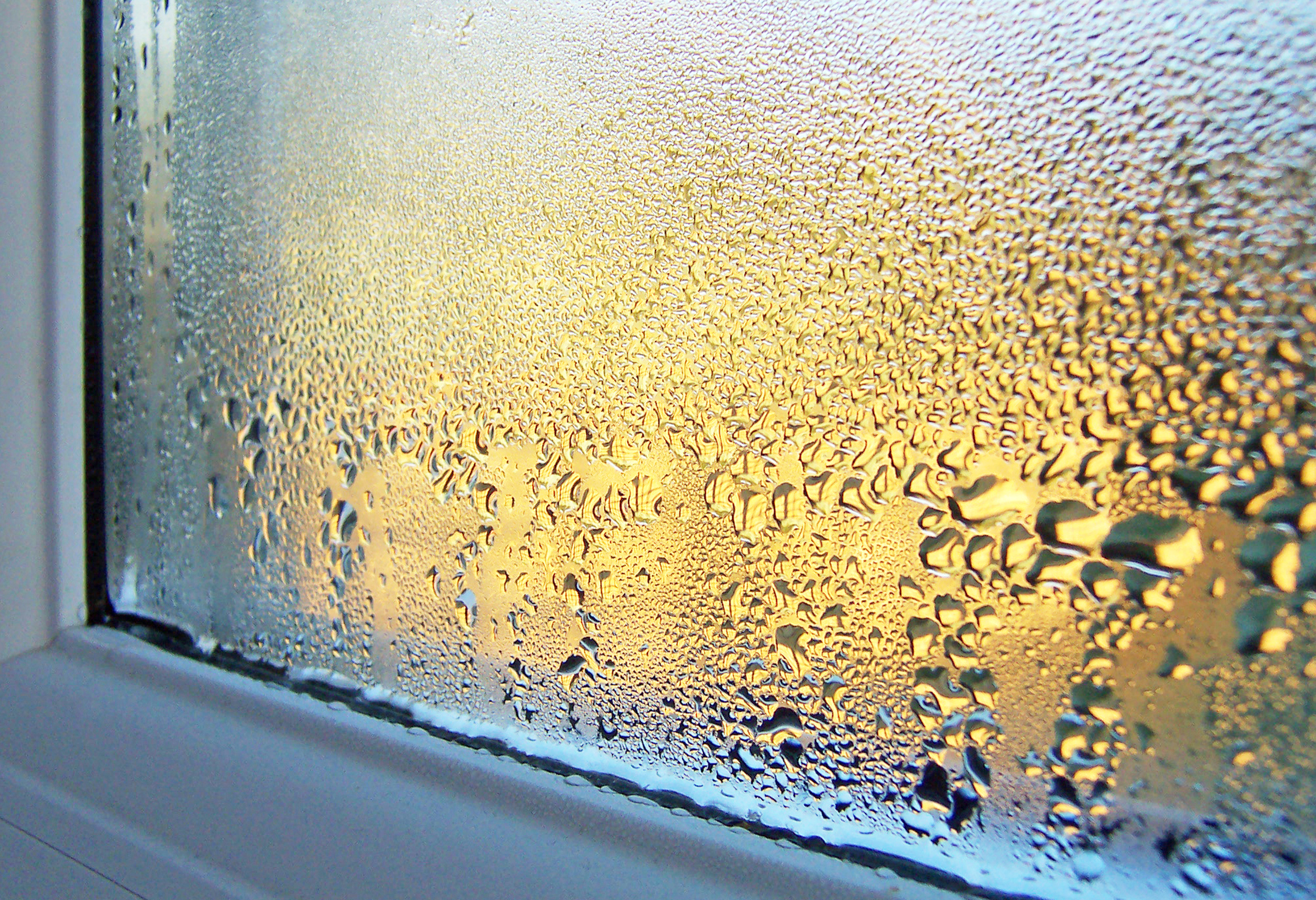
Interior condensation happens when warm, humid indoor air meets a cooler glass surface, causing moisture to form. Even in North Florida’s mild winters, nighttime and early-morning temperatures drop enough to make your window glass significantly cooler than the air inside your home.
According to the U.S. Department of Energy, indoor condensation is common in humid climates when warm interior air meets cooler glass surfaces, especially in homes with aging windows or poor insulation.
In other words: It’s not always the weather, sometimes it’s your windows.
The Role Florida’s Humidity Plays
Jacksonville’s coastal climate adds layers of complexity. Our area experiences:
- High year-round humidity
- Salt air that breaks down seals faster
- Seasonal temperature swings
- Frequent use of indoor heating and cooling systems
During winter, we still run heat on cooler mornings or evenings. Heating the air makes indoor humidity rise, and that moisture naturally seeks out the coldest surface in your home.
Old, builder-grade windows often have poor insulation and weakened seals, which makes condensation appear more frequently.
If you start noticing fogging, water droplets, or hazy glass when temperatures dip, it may be your home’s way of saying it’s time for an upgrade.

When to Repair vs. Replace
Not every window issue requires a full replacement — but in many cases, especially when multiple windows show signs of age, replacing them all at once can save you money in the long run.
If your windows are more than 15 years old and you’re dealing with fogging, drafts, or high energy bills, repairs often only offer a temporary fix. Replacing with modern, energy-efficient models gives you a lasting solution — and peace of mind knowing your home is better protected and more comfortable.
At HomeRite Windows and Doors, we make the process simple. Our team offers free in-home consultations to assess your windows, explain your options, and recommend products designed specifically for coastal Northeast Florida. You can explore our full line of replacement windows and entry doors on our website to get a feel for what fits your needs and budget.
Why Updating Now Just Makes Sense
For many Jacksonville homeowners, replacing aging windows isn’t just about fixing a problem — it’s about upgrading to a higher level of comfort, security, and energy savings. New windows offer improved insulation, smoother operation, and a refreshed look that enhances your home’s appearance from every angle.
Plus, now is the perfect time to invest. HomeRite is currently offering 30% off replacement windows and doors with FREE Low-E coating, helping you maximize both comfort and savings before the end of the year.
Our locally owned team is here to make sure your next window project is done right — with the personalized service, quality materials, and craftsmanship your home deserves.
Bring Comfort, Efficiency, and Peace of Mind Back to Your Home
Windows are one of the most important features of your home — and one of the easiest to overlook until problems start to show. If your Jacksonville home’s windows are 15 to 20 years old, there’s a good chance they’re past their prime.
At HomeRite Windows and Doors, we specialize in helping homeowners recognize the signs of aging windows and replace them with solutions built for Florida’s coastal climate.
Contact us today to schedule your free consultation and discover how new, energy-efficient windows can make your home quieter, brighter, and more comfortable — all year long.
What Condensation Is Telling You About Your Windows
Not all condensation is a problem; some is completely normal. But these signs indicate your windows are no longer performing the way they should:
1. Condensation Between the Panes
If moisture appears inside a double-pane unit (between the glass layers), that means the seal has failed and the insulating gas has escaped. At this point, the window is no longer energy efficient.
2. Persistent Fogging on Cold Mornings
A small amount of fog can be normal, but if it lingers for hours or pools into water droplets, your window likely has poor thermal performance.
3. Mold or Mildew on Window Frames
This indicates chronic moisture exposure, a sign your windows aren’t insulating properly or your seals are deteriorating.
4. Drafts or Cold Spots Around the Frame
Condensation and drafts go hand in hand. If cold air is coming in, warm interior air will hit the glass and create moisture faster.
5. Peeling Paint or Damaged Sills
Water running or dripping from the glass can affect your home’s interior finishes.
If you’re seeing more than one of these signs, your windows may be past their prime, especially if your home was built between 2000 and 2010.
How Modern Windows Virtually Eliminate Condensation
Today’s replacement windows are engineered to significantly reduce or eliminate interior condensation, especially in coastal climates like Jacksonville’s.
Here’s how:
Low-E Glass Helps Control Temperature
Modern Low-E (low emissivity) coatings reflect heat energy. In winter, Low-E glass helps keep interior warmth inside, preventing the glass surface from becoming too cold.
This temperature balance is one of the simplest ways to stop condensation from forming.
Today’s energy-efficient windows use high-performance Low-E coatings and insulated dual-pane glass to slow heat transfer and keep indoor humidity more stable, dramatically reducing winter condensation.

Dual-Pane & Argon-Filled Glass Improves Insulation
Two panes of glass separated by argon gas reduce heat loss and keep glass temperatures more consistent. Because the interior pane stays warmer, water vapor is far less likely to condense.
If your windows are more than 15 to 20 years old, they likely lack this technology altogether.
Improved Window Seals Keep Humidity in Check
Salt air is notoriously tough on seals. When seals fail, warm indoor air can seep into the insulating space of the window, creating fogging and moisture.
New windows with advanced sealants and reinforced spacers offer:
-
Better humidity control
-
Longer lifespan
-
Far less fogging
-
Greater energy efficiency
Why Jacksonville Homeowners Benefit the Most
Our coastal humidity accelerates window deterioration faster than in inland environments. That’s why local homeowners see condensation long before their Northern counterparts do.
Upgrading to replacement windows designed for Jacksonville’s climate ensures long-term performance and durability.
How New Windows Improve Comfort Beyond Condensation
The benefits go well beyond moisture control. When Jacksonville homeowners replace aging windows, they gain:
-
Better Indoor Temperature Stability
-
Lower Utility Bills
-
Reduced Noise
-
Increased Home Value
-
UV Protection
Why Jacksonville Homeowners Trust HomeRite
We understand what Florida homes face, because we live here too. Our team ensures every installation meets Northeast Florida building codes and provides the long-lasting performance coastal homes require.
With high-quality products, expert installation, and a customer-first experience, we make replacing your windows simple and stress-free from start to finish.

Clearer Views Ahead with HomeRite Windows and Doors
Condensation may be common in Florida homes during winter, but it shouldn’t be something you deal with year after year. Connect with HomeRite Windows and Doors today for a free consultation and see how replacement windows can make your Jacksonville home more comfortable all year long.
Recent Comments